Nature’s Divine was created from a deeply personal family experience.
When our youngest child developed eczema as a baby, we saw first-hand how uncomfortable dry, itchy and sensitive skin could be. We wanted to understand more about delicate baby skin and how to care for it gently.
Alongside seeking appropriate medical advice, we began exploring botanical ingredients and learning about their traditional uses in skincare.
That journey inspired us to create Nature’s Divine and develop thoughtfully formulated skincare products for babies and families.
Today, we champion a plant-based, vegan and cruelty-free approach to skincare, with a focus on carefully selected ingredients, product safety assessments and everyday skin nourishment.
Let’s take a closer look at eczema, how it can affect babies and some important considerations when caring for delicate skin.
What Is Eczema?
Eczema, also known as atopic dermatitis, is a common skin condition that can cause dry, itchy and irritated skin.
It is particularly common in children, although adults can experience it too.
Atopic eczema is associated with other atopic conditions, including asthma and hay fever, and family history can play a role.
There are several different forms of dermatitis, and their symptoms and triggers can vary.
Understanding your baby’s skin and seeking appropriate advice can help you make informed decisions about their skincare routine.
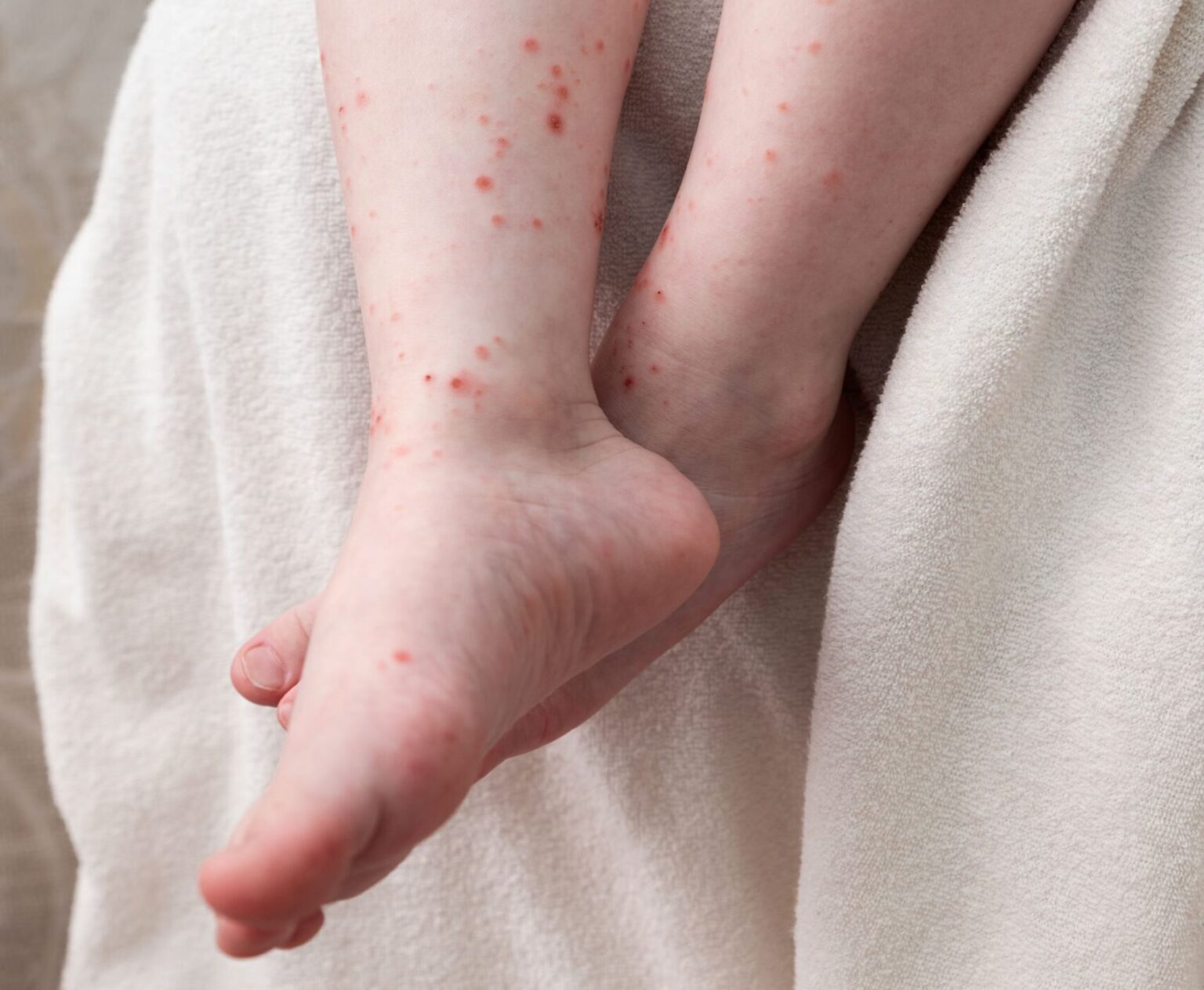
What Does Eczema Look Like?
Eczema can appear on different areas of the body.
In babies, it may affect the cheeks, face and other areas of the skin. In older children, it commonly appears around the elbows and knees.
The skin may look dry, rough, flaky or cracked. Some areas may become itchy or uncomfortable.
Its appearance can vary depending on skin tone, with affected areas sometimes looking red, purple, grey or darker than the surrounding skin.
If you’re concerned about changes to your baby’s skin, speak with a healthcare professional for advice.
For further information about eczema symptoms, visit the NHS website.
What Causes Eczema?
The exact causes of atopic eczema are not fully understood.
A combination of genetic, immune and environmental factors may contribute to its development.
Some people find that certain irritants or environmental conditions can make their symptoms worse.
These may include:
Triggers can vary from person to person.
If your baby has eczema, it’s important to follow advice from your GP or another qualified healthcare professional.
Gentle cleansing and regular moisturising with products suitable for the child’s skin can form part of an everyday skincare routine, alongside any recommended medical treatment.
Everyday Care for Baby Skin Prone to Eczema
Caring for a baby with eczema can involve finding a gentle daily routine that supports skin comfort while following advice from a healthcare professional.
Eczema can affect people differently, and what works well for one person may not be suitable for another.
The following everyday skincare considerations may be helpful for families managing dry, sensitive or eczema-prone skin.
1. Choose Gentle Skincare Products
Delicate baby skin benefits from a gentle skincare routine.
For babies with eczema, healthcare professionals commonly recommend regular use of suitable emollients to help moisturise the skin and reduce dryness.
When choosing skincare products, look for formulations appropriate for your baby’s age and individual skin needs.
At Nature’s Divine, we believe in carefully selected botanical ingredients and thoughtfully formulated skincare.
Our Organic Baby Oil contains nourishing plant-based ingredients, including jojoba oil, hemp seed oil and calendula, selected for their cosmetic skin-conditioning properties.
It is designed to moisturise and soften delicate skin as part of an everyday skincare routine.
Explore Nature’s Divine Organic Baby Oil:
Shop the product
Our Organic Baby Oil is a cosmetic skincare product, not a treatment for eczema. If your baby has eczema, ask a healthcare professional whether a particular product is appropriate for their skin.
If your baby has been prescribed treatment, follow the healthcare professional’s instructions.
2. Support a Balanced Diet
A balanced diet provides important nutrients for general health and wellbeing.
For babies who have started eating solid foods, introducing a variety of age-appropriate foods is an important part of healthy development.
Some children with eczema may also have food allergies, but eczema does not automatically mean a food allergy is present.
Avoid removing foods or making significant dietary changes to manage eczema without guidance from a qualified healthcare professional.
For babies and young children, always follow age-appropriate feeding advice.
3. Keep Bath Time Gentle
Bath time can be a lovely part of your baby’s daily routine.
When caring for delicate or eczema-prone skin, keep bathwater comfortably warm rather than hot.
Choose gentle cleansing products appropriate for your baby’s skin, and avoid heavily fragranced products that may cause irritation.
After bathing, gently pat the skin dry rather than rubbing.
Apply an emollient recommended for your baby’s skin while following the product directions and any advice from your healthcare professional.
Avoid adding essential oils or fragranced bath salts to a baby’s bath unless a healthcare professional has specifically advised that they are suitable.
4. Choose Comfortable Clothing and Fabrics
The clothing that comes into contact with your baby’s skin can make a difference to everyday comfort.
Soft, breathable fabrics such as cotton are often a practical choice for delicate skin.
Try to avoid rough materials or clothing that causes friction.
Comfortable, loose-fitting clothing can also help prevent overheating.
When washing baby clothes, consider using a gentle, fragrance-free laundry detergent suitable for sensitive skin.
Every baby’s skin is different, so pay attention to which fabrics and laundry products work best for your family.
5. Be Mindful of Everyday Irritants
Delicate skin may be sensitive to certain everyday products and environmental conditions.
Some common irritants include:
-
Strongly fragranced skincare products
-
Harsh soaps and cleansers
-
Certain laundry detergents
-
Rough fabrics
-
Excessive heat and sweating
A simple skincare routine and awareness of potential irritants can help families make informed choices about everyday skin care.
If your baby experiences persistent itching, worsening symptoms, broken skin or signs of infection, seek medical advice.
Understanding Eczema Flare-Ups and Changes in the Skin
Eczema can change in appearance and severity over time.
Some people experience periods when their skin becomes particularly dry, itchy or uncomfortable. These periods are commonly known as flare-ups.
During a flare-up, the skin may appear inflamed, rough, cracked or more sensitive than usual.
As symptoms settle, the skin may gradually become more comfortable, although dryness and sensitivity can sometimes continue.
For some people, eczema is a long-term condition with periods of improvement and recurrence.
The appearance and severity of eczema can vary considerably between individuals.
Identifying personal triggers, following appropriate skincare guidance and using treatments recommended by a healthcare professional can help with managing the condition.
If symptoms are persistent, worsening or affecting your baby’s comfort, seek advice from your GP or another qualified healthcare professional.
Eczema in Babies
Eczema is relatively common in babies and young children.
A family history of eczema, asthma or hay fever can increase the likelihood of a child developing atopic eczema.
Baby skin is delicate, and certain environmental factors may contribute to dryness or irritation.
These can include:
-
Changes in temperature
-
Certain soaps and cleansers
-
Fragranced laundry detergents
-
Rough or irritating fabrics
-
Other individual environmental triggers
As parents, seeing a baby experience uncomfortable or itchy skin can be difficult.
If your baby develops eczema, your GP or another healthcare professional can advise on suitable skincare routines and treatment options.
Depending on your baby’s needs, these may include regular emollient use and prescribed treatments to manage flare-ups.
Choosing Gentle Everyday Baby Skincare
At Nature’s Divine, our family’s experience inspired us to explore botanical ingredients and develop thoughtfully formulated skincare for babies and families.
Our approach focuses on gentle everyday cosmetic skincare, with ingredients selected for their moisturising and skin-conditioning properties.
We use carefully selected plant-based ingredients in our skincare range to help nourish and soften delicate skin.
Our Organic Soothing Baby Balm is dermatologically tested and has undergone a Cosmetic Product Safety Assessment (CPSR), confirming its suitability for use from birth when used as directed.
While our cosmetic skincare products can be incorporated into suitable everyday moisturising routines, they are not intended to treat or cure eczema.
For babies with eczema, always check with a healthcare professional before introducing a new product to affected skin.
Discover Nature’s Divine Organic Soothing Baby Balm:
Shop the product
Top Tips for Caring for Baby Skin Prone to Eczema
Caring for delicate baby skin involves choosing gentle products, maintaining a suitable skincare routine and being mindful of potential irritants.
Here are some everyday tips for parents:
-
Choose soft, comfortable clothing. Breathable fabrics such as cotton may be more comfortable against delicate skin.
-
Use gentle laundry products. Consider fragrance-free detergents suitable for sensitive skin.
-
Keep bath time gentle. Use comfortably warm water rather than hot water, and choose cleansing products suitable for your baby’s skin.
-
Follow a suitable moisturising routine. Regular use of an emollient recommended for your baby’s skin can help manage dryness.
-
Be mindful of known irritants. Pay attention to products, fabrics and environmental factors that appear to affect your baby’s skin.
-
Follow medical advice. If your baby has eczema, follow the treatment and skincare guidance provided by your GP or another qualified healthcare professional.
Our Family’s Inspiration
Nature’s Divine was born from our own experience of caring for a baby with delicate, uncomfortable skin.
That journey inspired us to explore botanical ingredients and create thoughtfully formulated skincare products for babies and families.
Today, Nature’s Divine offers organic, vegan and cruelty-free, plant-based skincare designed to nourish and moisturise the skin.
Our Organic Soothing Baby Balm is dermatologically tested, safety assessed and suitable for use from birth when used as directed.
It is formulated to help moisturise and soften delicate skin as part of an everyday skincare routine.
Our cosmetic products are not intended to replace prescribed treatments for eczema.
Discover Nature’s Divine Organic Soothing Baby Balm:
Shop the product
Final Thoughts
Caring for baby skin prone to eczema often involves a combination of gentle daily care and appropriate medical guidance.
Choosing comfortable fabrics, avoiding known irritants and using suitable moisturising products can all form part of a thoughtful routine.
At Nature’s Divine, we’re proud to offer plant-based cosmetic skincare products designed to moisturise and nourish delicate skin.
Our journey began with our own family, and we continue to put care, quality and carefully selected ingredients at the heart of everything we create.
Simple. Natural. Gentle. Nature’s Divine.